Character Name Generator
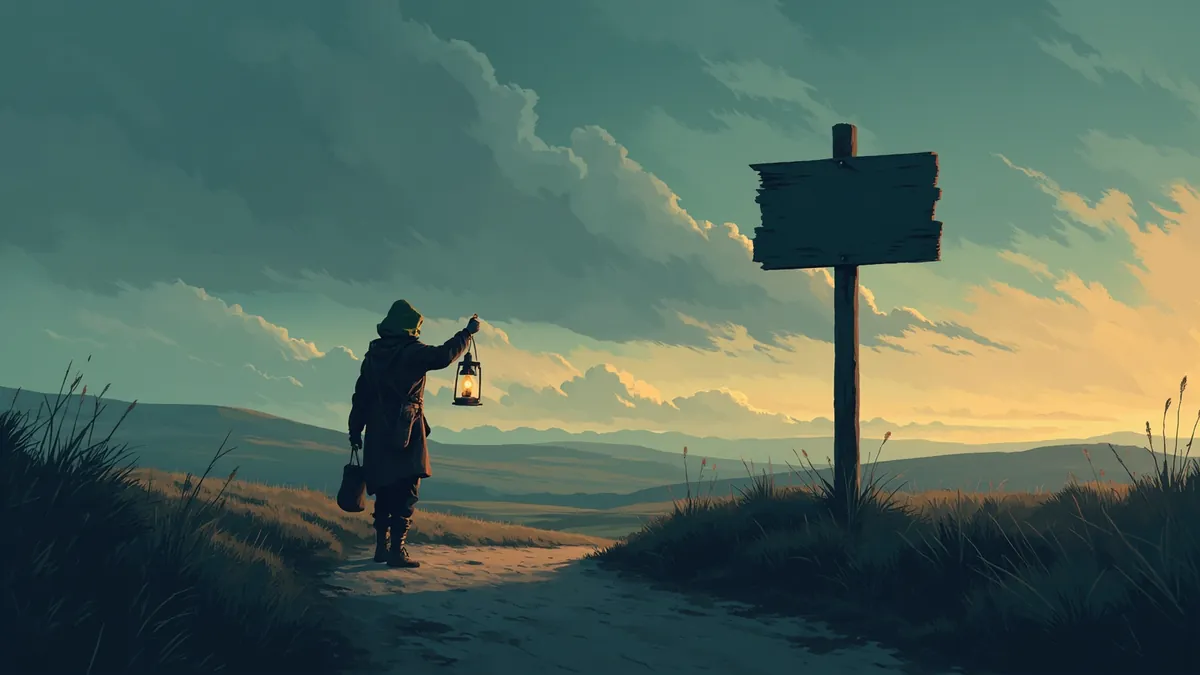
On a screen a character name reads fine. Asked to introduce themselves across a room of strangers, half of them fall apart in the second syllable. The difference is almost never the spelling. It is whether the surname survives being shouted, whispered, and repeated back by someone who only heard it once.
Most writers fall for a name with too much going on, then refuse to cut it because they grew attached during worldbuilding. They only notice the problem when a beta reader stumbles reading dialogue aloud, or when three different side characters end up with vowel-heavy names that blur into each other in every scene.
Run the shortlist past your mouth before you pick one. Say each one the way a narrator would, then the way a tired coworker would in a hallway. If the name survives both deliveries without you softening it or skipping a beat, it is probably safe for a full-length story.
- Cornelius
- Cleo
- Florence
- Leopold
- Drystan
- Halia
- Indi
- Aldric
- Jarrick
- Eiryn
- Quinn
- Jules
Fantasy character names
Long vowels and unhurried consonants. These suit warriors, wanderers and anyone with a title they have not earned yet.
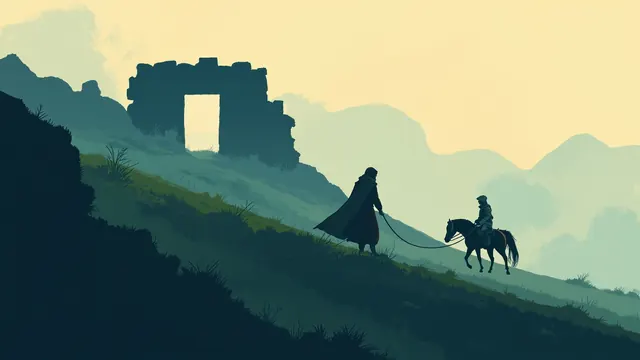
Hear all 14 names read aloud (25 sec)
- Aldric
- Brienne
- Corvath
- Drystan
- Elara
- Fionn
- Gwynne
- Halric
- Isolde
- Jarrick
- Kaelin
- Lysara
- Mirelle
- Nyssara
Modern character names
Short, lived-in and easy to say across a crowded room. Best for contemporary stories where the name should never feel like a costume.

Hear all 14 names read aloud (24 sec)
- Avery
- Bryn
- Cleo
- Devon
- Esme
- Finn
- Gray
- Harper
- Indi
- Jules
- Kira
- Lou
- Mateo
- Nico
Historical character names
Drawn from older name banks. They carry weight without sounding parodic, provided the surname does the period work too.
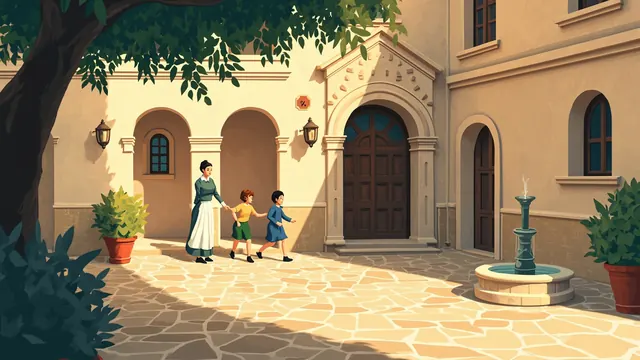
Hear all 14 names read aloud (26 sec)
- Adelaide
- Beatrix
- Cornelius
- Dorothea
- Edmund
- Florence
- Geoffrey
- Henrietta
- Ignatius
- Josephine
- Leopold
- Margery
- Octavia
- Percival
Sci-fi character names
Crisp, future-leaning sounds with a touch of the technical. They suit pilots, engineers and anyone travelling far from where they started.
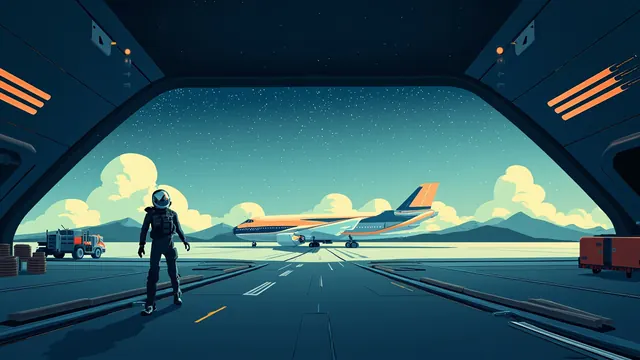
Hear all 14 names read aloud (25 sec)
- Vesper
- Caelum
- Daxon
- Eiryn
- Fenwick
- Galen
- Halia
- Iver
- Joran
- Kestra
- Lirien
- Mirek
- Nox
- Orin
Three filters that beat any algorithm
Skip anything that needs explaining in a parenthetical. A reader who pauses to mentally pronounce a name has already lost the thread of the scene, and few things pull a reader out of a thriller like decoding a fantasy surname on page forty.
Watch the second syllable. Heavy second syllables tend to work as surnames but trip up as first names, especially when paired with a single-syllable last name that ends in a vowel. Aldric Flint is fine. Aldric Fiona is a sneeze.
Try the character test: give the name to a side character first and read a page of their dialogue. If your ear keeps snagging on the name instead of the line, the lead cannot carry it either. The strong choices feel invisible by paragraph three.
Frequently asked questions
- How long should a character name be?
- Two or three syllables covers most ground. Short reads as punchy but dates fast. Long carries atmosphere but slows the eye. Pick the one your genre tolerates and stay there.
- Should I avoid names that match real people I know?
- Yes, especially for antagonists or love interests. Readers will map whoever they recognize onto the role, and the story stops feeling invented. Scrub anything that belongs to a friend, ex, or public figure before you commit.
- Can I reuse a name across multiple characters?
- Not unless one of them barely speaks. Two background characters named Brienne or Edmund tends to be fine. Two leads with the same name will get readers searching back through pages every time a new line lands.
- Do fantasy names need to be unpronounceable to feel fantasy?
- No. Consonant clusters help, but a name like Corvath or Fionn already carries the genre through sound alone. Stack more foreign shapes on top and readers quit trying, which is worse than a name they wish were stranger.