Fantasy World Name Generator

A reader is hunched over a notebook at two in the morning, scribbling a name at the top of a hand-drawn map, and the world that comes next grows from whatever landed on that page first. The fantasy world name ends up printed on chapter headings, stitched into a cosplay banner, spoken aloud at a table where five friends are deciding where the campaign starts, and whispered on a podcast that thousands of strangers will hear without ever seeing the map it came from.
World builders hold onto fantasy world names far longer than anyone expects, mostly because once a reader has learned to say the word without stuttering, the world behind it feels old and inhabited, even when the creator invented it on the bus ride over. Names like Valari, Morvak, or Tharyndor stop sounding like choices after a chapter or two and start sounding like the only word that place could possibly be called.
The fantasy world names on the shortlists below were picked the way a cartographer picks colors: not for beauty on a screen, but for how the mouth handles them when the reader has to read them aloud for the seventh time. Each list leans a different direction, and the suffix option is a shortcut for anyone who already knows the world is dark but cannot land on the final sound.
- Malenmyr
- Druumven
- Skalurzur
- Saruroth
- Elasria
- Valisdor
- Ashelgol
- Eloskoth
- Nyordun
- Malulsol
- Wyrikvex
- Ulanwyn
Bright fantasy world names
Open vowels, soft landings, places that sound like the sun came up on time. Suits kingdoms, coastal regions and any setting where the hero does not have dirt under their fingernails.

Hear all 14 names read aloud (26 sec)
- Valari
- Solenmar
- Lumir
- Myria
- Ilven
- Caellia
- Solwen
- Venthil
- Elnara
- Myrador
- Saralin
- Caelith
- Aethra
- Sovenna
Dark fantasy world names
Harsh consonants and closed vowels. The kind of place where the map has more crossed-out names than settlements.

Hear all 14 names read aloud (26 sec)
- Morvak
- Gordrak
- Nyxoth
- Vorex
- Thragul
- Kothmur
- Ulzarak
- Skalvoth
- Drazen
- Malgor
- Vegrath
- Othmir
- Grimdul
- Varkoth
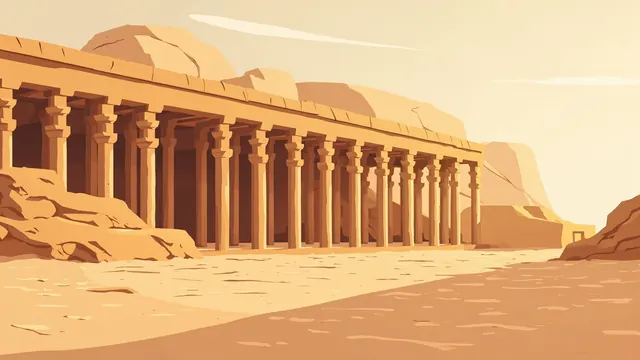
Ancient fantasy world names
Long, formal, built to be carved into stone. Use them for empires, lost civilisations and ruins that the party is about to walk into unprepared.
Hear all 14 names read aloud (27 sec)
- Tharyndor
- Khalros
- Othryn
- Druvenis
- Balynor
- Sarenthys
- Ythralon
- Torvik
- Myrandor
- Azareth
- Fenrik
- Khardros
- Othmaris
- Velkyn
Wild fantasy world names
Frontier energy. Untamed lands, dense forests, places where the locals answer to nobody and the geography changes between visits.

Hear all 14 names read aloud (26 sec)
- Wyrfen
- Thalrok
- Skamor
- Rusthar
- Brandor
- Ashveil
- Vyrik
- Moxgarn
- Druval
- Kharfen
- Thalwyn
- Rusgar
- Skadren
- Wyrloch
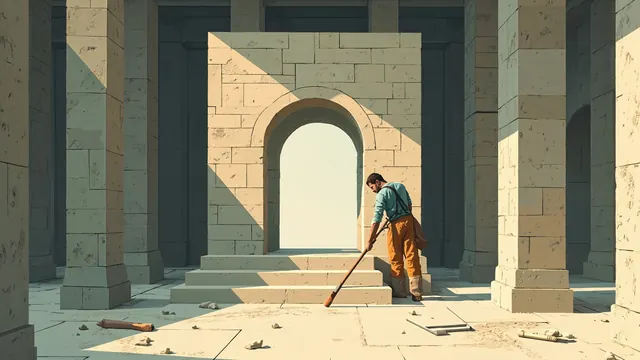
Names with a built-in suffix
Drop one of these onto a root and you get a kingdom or a hold without thinking about it. The suffix does half the worldbuilding for you.
Hear all 14 names read aloud (27 sec)
- Ashenmark
- Vordreach
- Solheim
- Morgard
- Lythspire
- Thraveil
- Khalcrest
- Grimhold
- Venros
- Drakhollow
- Myrshire
- Vorfall
- Elnwastes
- Druheim
How to pick a fantasy world name that survives the first spoken scene
Start with the feel you want the reader to feel before they know the rules of the place, then ignore half the shortlist at once. A bright world like Solenmar or Lumir lands as hopeful in a prologue, while Morvak or Nyxoth will tilt the same paragraph grim before a single line of description arrives. Use the feel filter to commit to a direction before you fall in love with a sound that fights the tone you actually want.
Read every contender out loud, slowly, and listen for the moment the mouth has to slow down or reshape itself to finish the word. Names that demand effort from the speaker become names the reader skims past in dialogue, which is where world names live or die. Anything that needs three tries to say out loud usually does not survive the second chapter.
Use the suffix option as a pressure test, not a decoration. A bare name like Wyrfen or Tharyndor carries weight in a hardback, but Ashenmark or Lythspire carries more weight at the same page count because the suffix tells the reader something about the place before the map is unfolded. If the suffix version feels heavier and still sounds natural spoken aloud, that is the one to keep.
Frequently asked questions
- Should a fantasy world name be easy to say out loud?
- Yes, ideally, because the name will be spoken far more than it will be read. A word the reader can produce without thinking is a word they will repeat, recommend, and remember when the next book comes out.
- How long should a fantasy world name be?
- Two or three syllables is the sweet spot for prose, with longer names reserved for places that should feel ancient or heavy on the tongue. Anything past four syllables tends to get shortened by readers anyway, so you might as well shorten it yourself.
- Can I use one of the built-in suffix names as is?
- Of course, since the suffix versions were assembled the same way a writer would assemble them at a desk. Tweak a letter or swap the ending if it helps, but the bones are already load-bearing.
- Do I need a different name for every region in my world?
- Not necessarily, but the regions should share a sound pattern so the map reads like one place rather than a scrapbook. A consistent opening syllable or vowel across regional names does more for immersion than inventing a fresh root word each time.